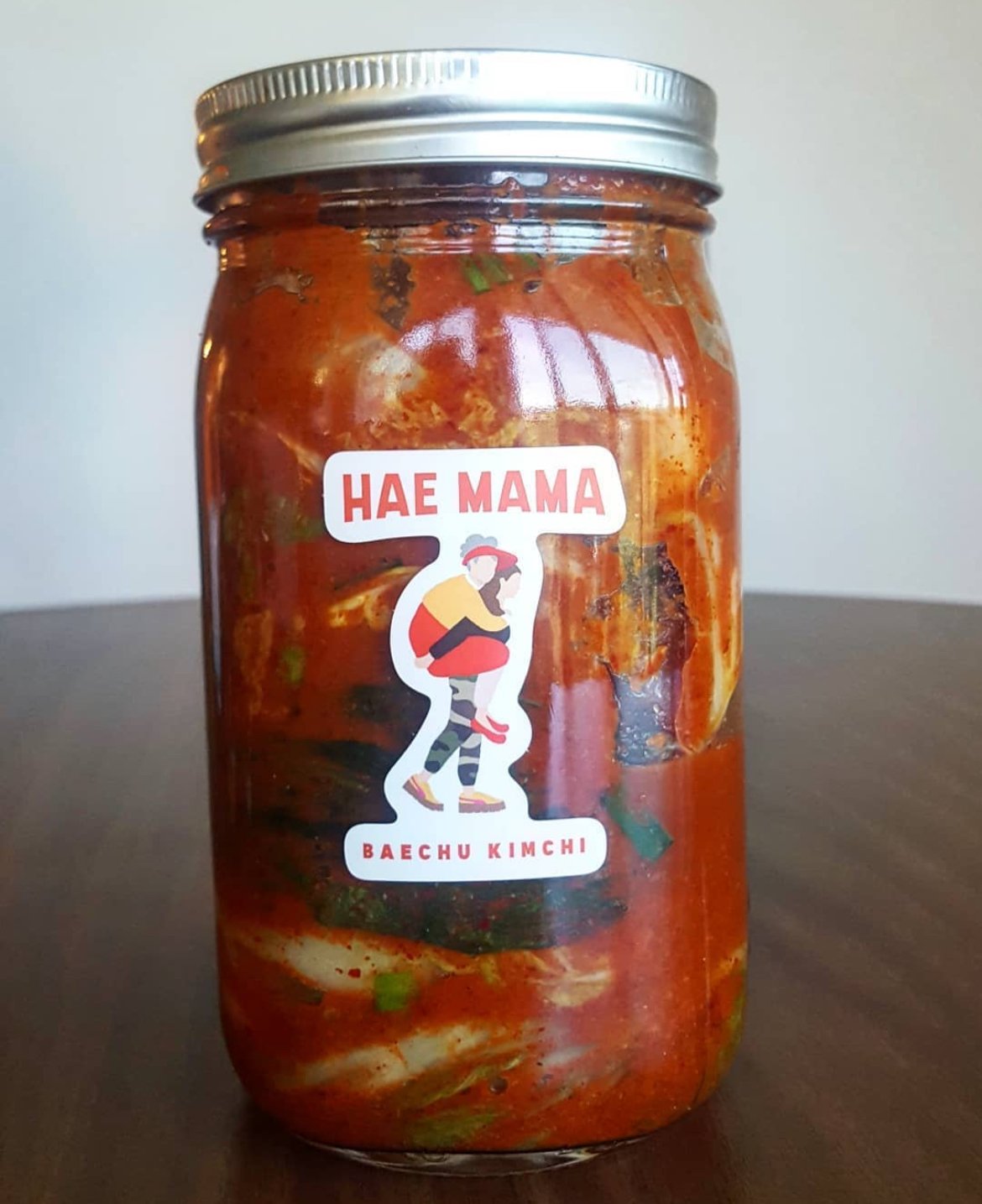
I began making kimchi in 2017, as I tried to recover the Korean recipes and flavors I had lost growing up in a white midwestern family. After living in Korea for a year in my early twenties and getting to experience our omma’s cooking for the first time, I realized my taste buds had yearned for our food my whole life.
Living in the U.S. again, I remembered dreaming of the way our omma’s hands sensed for salt in her kitchen. I would cry for her relentlessly as Maangchi taught me how to brine cabbage in my one bedroom apartment in Chicago. In the depths of my yearning, I replayed one video of our omma’s hands playing a simple tune on our harabeoji’s piano over and over again.
I marveled at the similarities held in our long delicate fingers. Studying my own hands, I realized that they connected me to a woman and a culture that spanned beyond my physical separation from them. A pinch of salt became a portal into my journey back towards my own son mat and a deeper connection to my soul and ancestry.
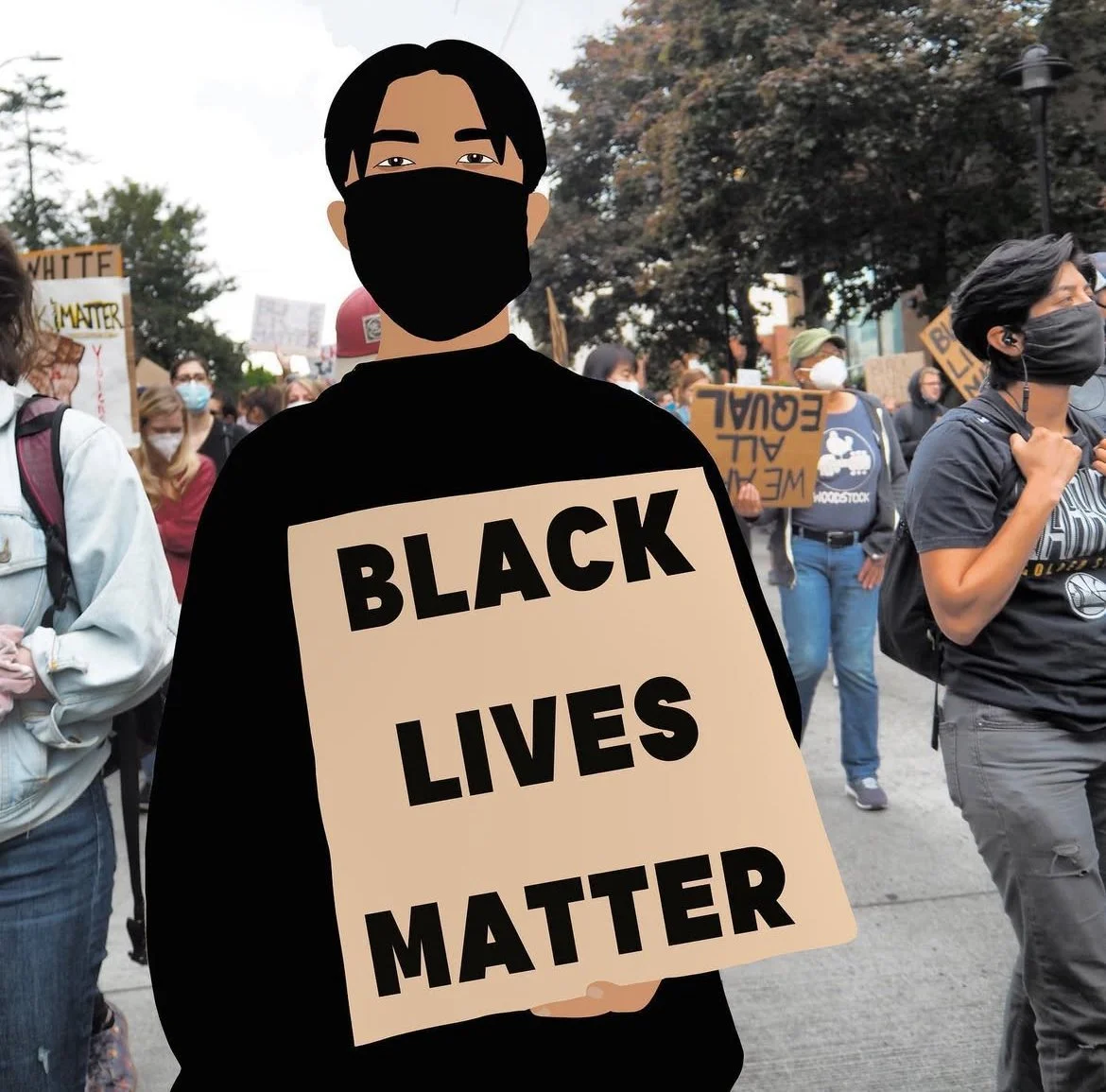
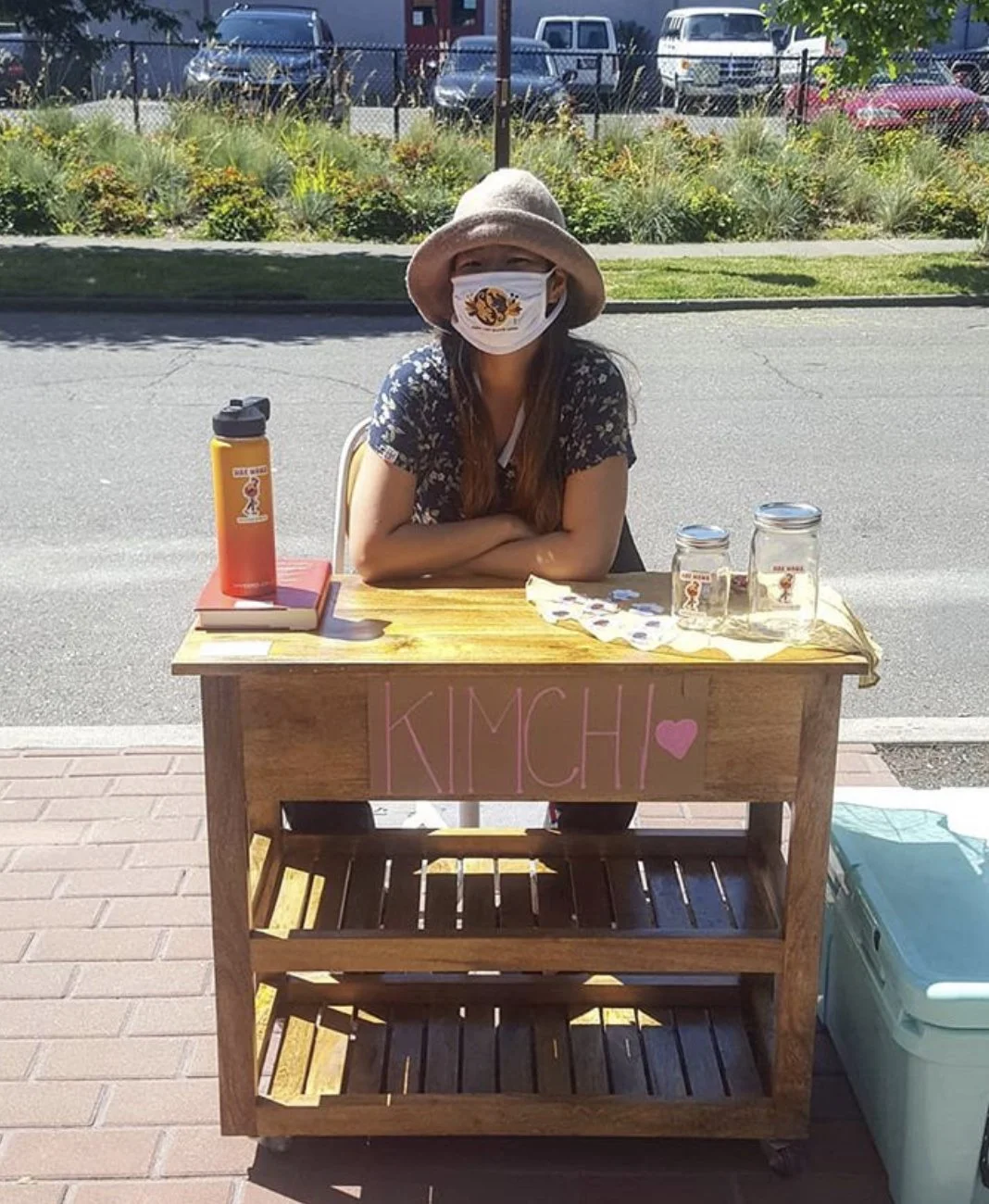
In 2020, my relationship to kimchi changed once again, as COVID-19 ushered in a time of deeper social reckoning in the U.S. Black, brown, and indigenous communities all across America were dying at disproportionate rates, illuminating the structural racism and anti-blackness embedded into the U.S. healthcare system. On top of this, police brutality increased at time when access to safety and care was already precarious, and George Floyd’s murder in May ushered in necessary and widespread public protests for #BLM. Asian scapegoating also became commonplace at this time, as Trump’s racist rhetoric minimized the real threat of corona virus on our collective safety while simultaenously displacing a sense of inherent danger and risk onto anyone who looked remotely Chinese. My activism took a new shape in this moment, as I remembered that gook on this land did not mean soup, and in this nation, my socio-political belonging-just like other black, brown, and indigenous communities-has always been contested. To build deeper connection in a moment of great political division and upheaval, I began making and sharing kimchi with my local community in an effort to add to the collective care networks emerging.
For me, sharing kimchi during this time was a deep honoring of my identity as a Korean American and represented my refusal to erase myself and culture amidst a time when our shared humanity was especially vulnerable to misinformation and hateful ideologies. In this phase of exploration, I got to experience what a powerful role art is within collective resistance efforts, and the inner teen inside of me who didn’t know how to fight racism without the help of my fists discovered a new way to stand in her power. Turns out there’s other ways to pack a punch while staying rooted in justice ㅎㅎ.